Our Approach to Personal Development and Wellbeing
Creating the Right Environment for Real Growth
A structured, therapeutic approach that helps young people feel safe, build confidence and develop the skills they need for life.
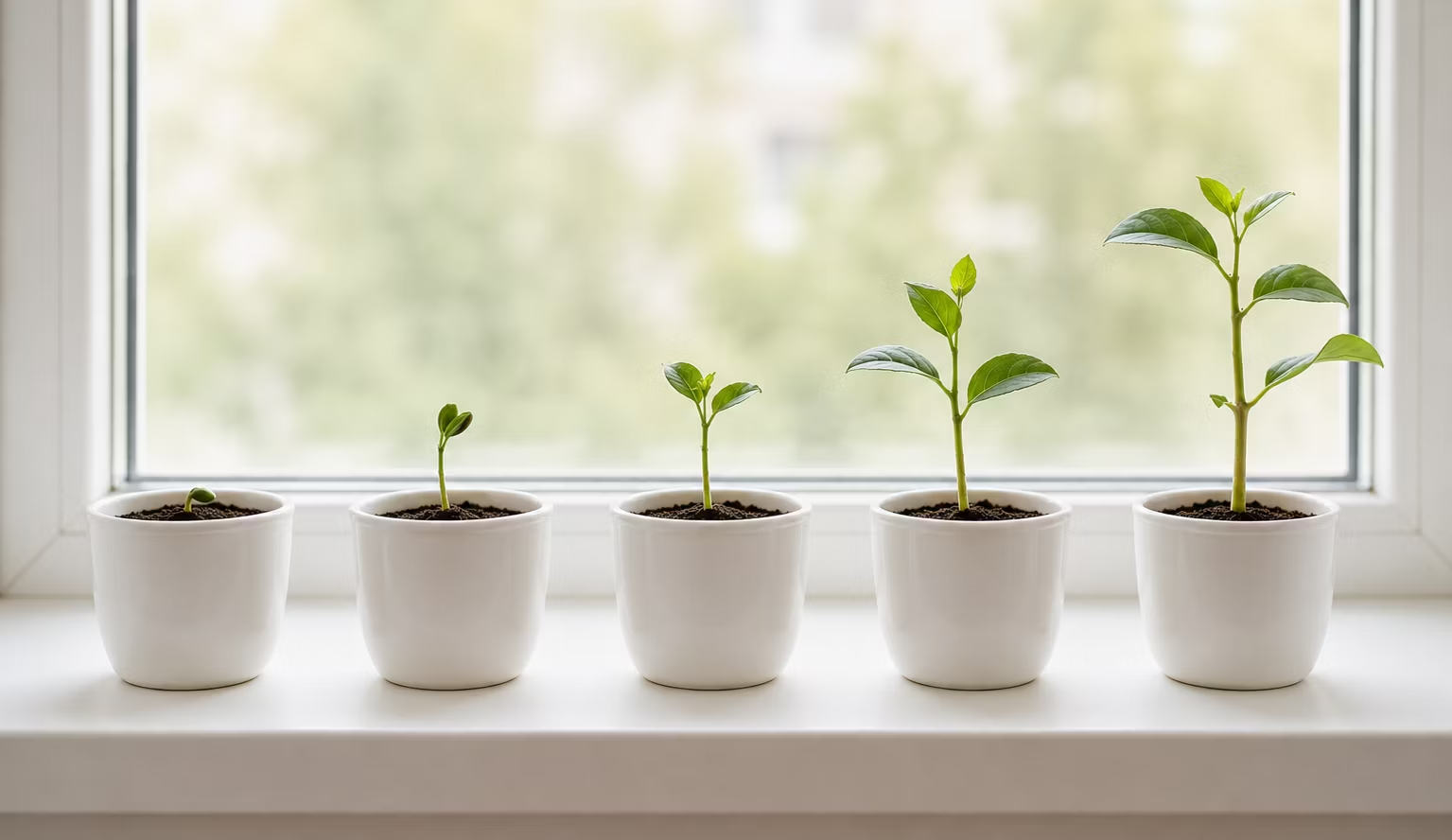
Creating the Right Environment for Real Growth
A structured, therapeutic approach that helps young people feel safe, build confidence and develop the skills they need for life.








Progress does not happen by chance.
For many young people, challenges around behaviour, confidence or engagement are not simply about attitude or ability. They are often a response to the environment around them.
When the environment feels overwhelming, inconsistent or unsafe, it becomes much harder to regulate, engage or grow.
Change the environment, and you change what becomes possible.
Our work is built around the Life Preparation Model, a practical framework designed to create the conditions where real development can take place.
Rather than focusing only on outcomes, it focuses on what sits underneath them. Confidence, communication, emotional regulation, life skills and experience are all developed together, not in isolation.
This approach is applied across everything we do. Whether someone is in alternative provision, taking part in SIFA, attending ADAPT or engaging in counselling, the principles remain the same.
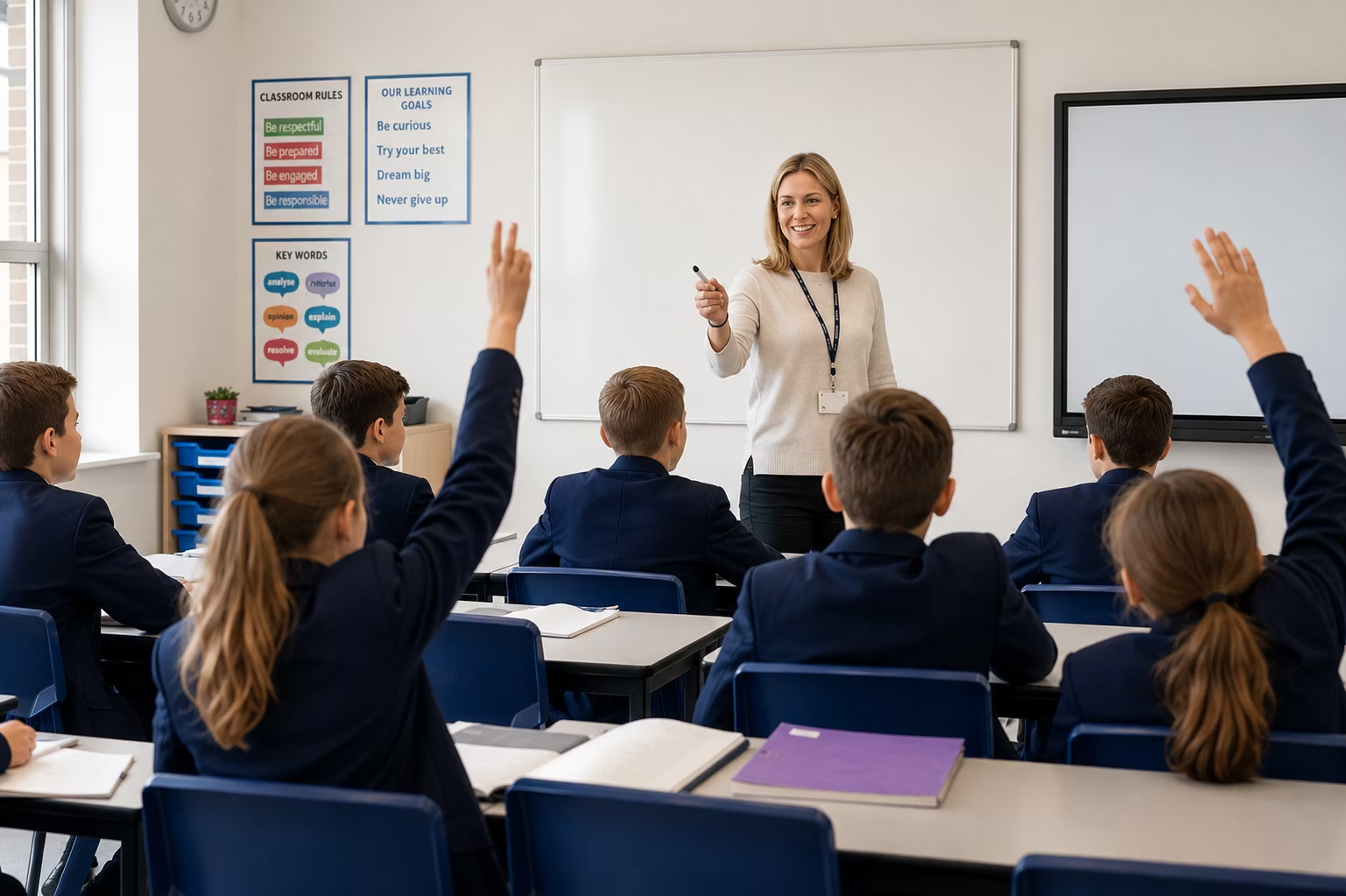
The environment is calm and structured. Expectations are clear. Support is consistent. Development happens at the right pace.
This is what allows young people to feel safe enough to engage, and confident enough to move forward.
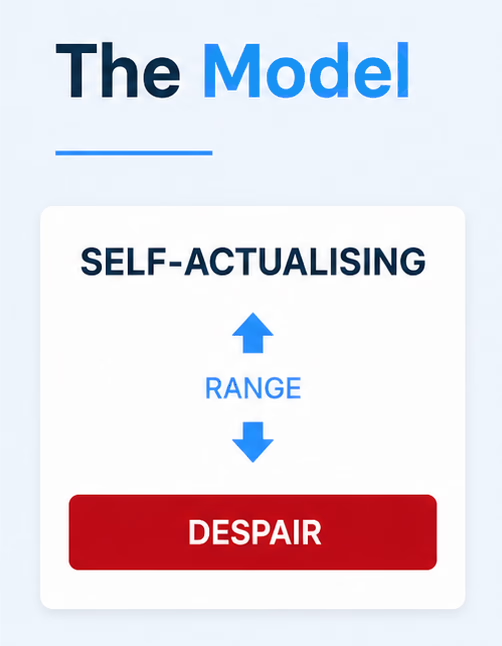
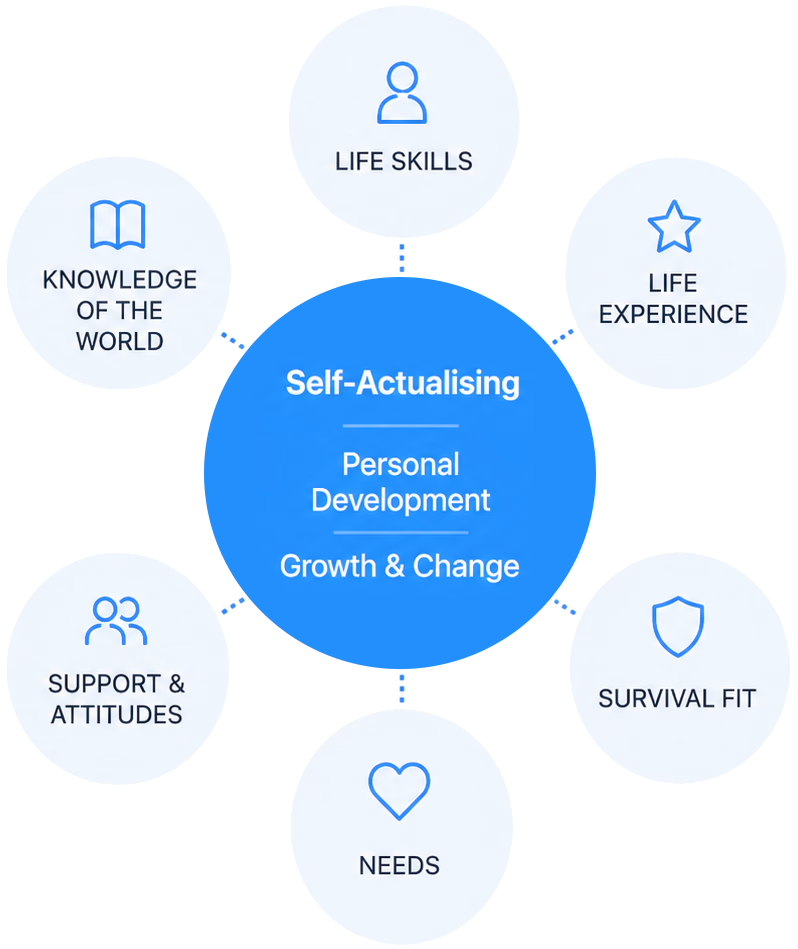
The Life Preparation Model is a therapeutic framework influenced by established psychological and developmental theories, including Maslow’s Hierarchy of Needs, Carl Rogers’ person-centred approach, and Combs and Snygg’s Phenomenal Field Theory.
At its core, the model focuses on creating the right conditions for development to take place naturally. Rather than forcing change, the aim is to build environments where young people feel safe enough, supported enough and engaged enough to move forward themselves.
The model is built around several interconnected areas:
Before meaningful development can happen, basic physiological and emotional needs must be supported. This includes safety, structure, consistency and a sense of belonging.
Physical well-being plays an important role in emotional regulation and resilience. Through movement, activity and outdoor experiences, young people develop physical confidence, coordination and wellbeing.
The model focuses on practical development in areas such as emotional regulation, communication, self-management and decision-making.
Young people are supported with real-world knowledge and strategies that help them better understand the world around them, including personal safety, relationships, behaviour and digital awareness.
Staff play an active role in shaping the environment through consistency, encouragement and clear boundaries. Our approach is based on “Strong Boundaries, Big Heart”, creating the security needed for young people to take responsibility, develop confidence and learn healthier ways to respond to challenge.
Meaningful experiences help young people build resilience and adaptability. Through sport, group work and structured challenge, they learn how to cope with success, setbacks and social situations in a supported way.
Together, these elements create an environment where young people can build confidence, improve emotional well-being and become more ready for education, relationships and life beyond the setting.
This approach underpins everything within Get Game Ready CIC.
It is what connects alternative provision, inclusion football, youth development and counselling into one consistent way of working.
Different services, same principles, same focus on helping individuals move forward.

What makes this approach actually effective?
Is this just another behaviour management approach?
How do you know this approach works?
Does this replace education or work alongside it?
Why is consistency across services important?
Is this suitable for both younger children and older learners?
If you’re looking for an approach that goes beyond surface-level support, we’re here to help.